







Learning feels like play
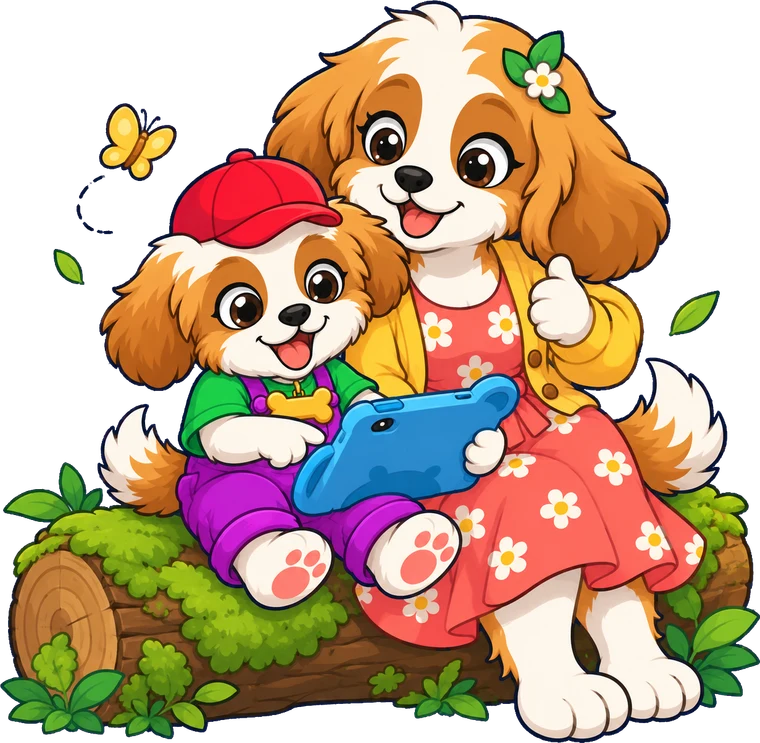
Tiny wins, cheerful sounds and friendly characters keep every discovery joyful.
play with purpose
Every game is created with early learning in mind—and enough delight to make kids ask for one more round.
Tiny wins, cheerful sounds and friendly characters keep every discovery joyful.
Simple navigation, calm pacing and kid-safe design let children explore confidently.
Activities build early literacy, number sense, logic and creative confidence.
No tricky menus or noisy distractions—just purposeful play families can feel good about.
meet every sound
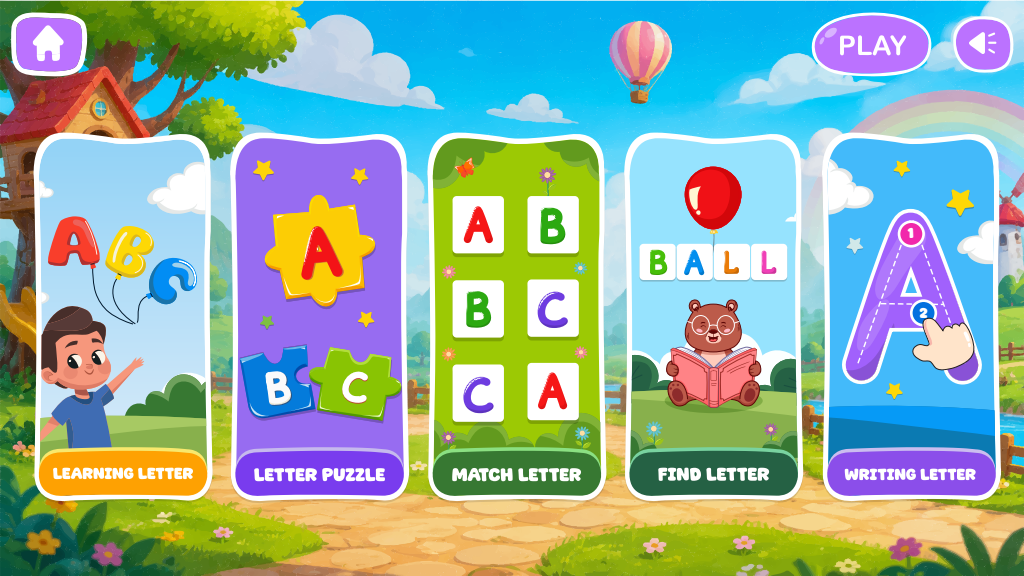
Trace, match and say letters with cheerful animal friends.
trusted around the world

Built for children, chosen by grown-ups, and enjoyed by families in classrooms and living rooms around the world.
family stories
Real words from the grown-ups cheering on all those first letters, solved puzzles and proud little smiles.
“Maya went from avoiding letters to pointing them out everywhere we go.”
free printable fun
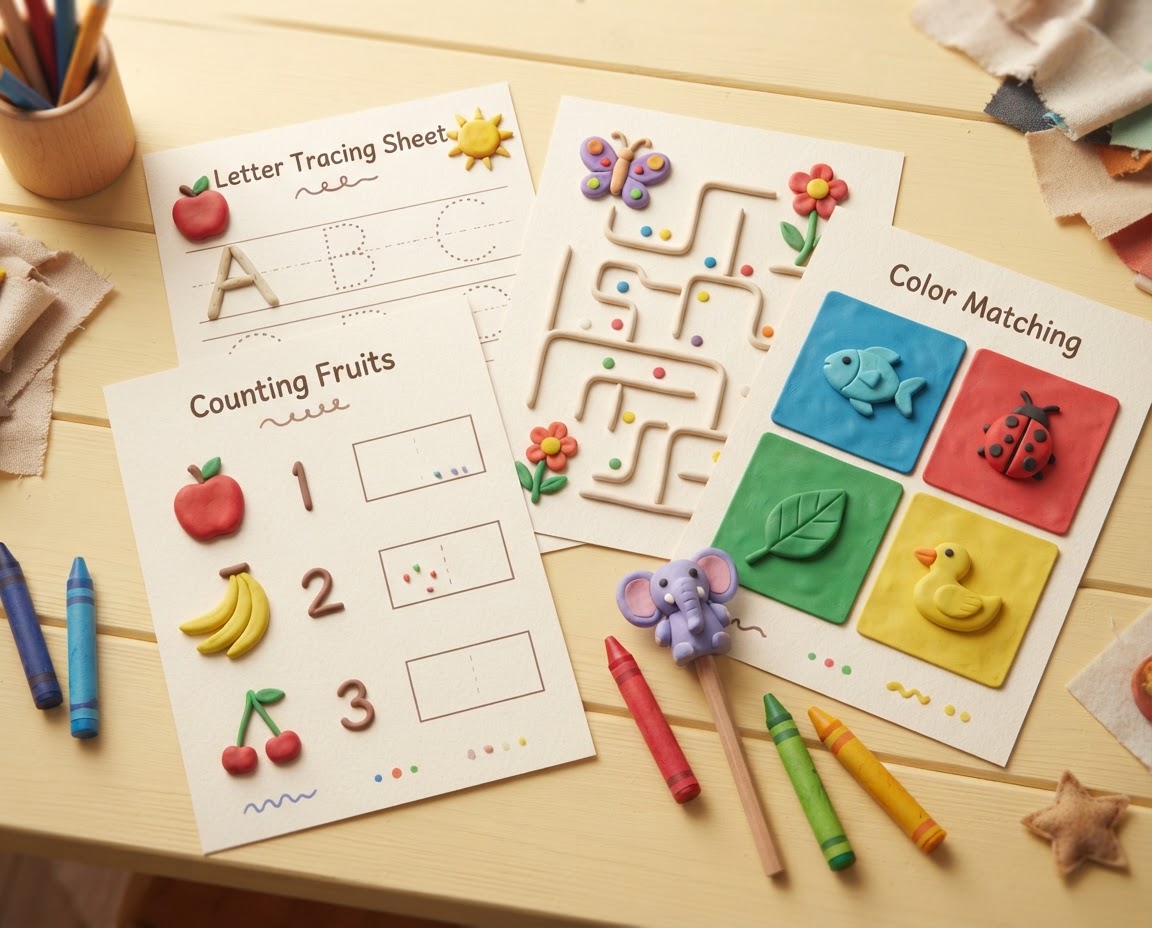
Get a fresh bundle of screen-free Letters, Colors, Numbers and Puzzles activities delivered to your inbox every month.
one joyful email a month. unsubscribe anytime. we keep family details private. ♥
helpful answers
Quick answers about ages, safety, downloads and worksheets — and a friendly path to human help if you need more.
The best kids learning games depend on your child's age and subjects of interest, combining top-rated digital apps, screen-free board games, and interactive tools. For example, Tinteen Kids has the best games for learning and skill development.
Yes, letter recognition games can help children become familiar with letters, their shapes, sounds, and basic word patterns. Interactive games make repeated practice more engaging and can help children learn at their own pace.
Kids learning games can support early development by improving memory, concentration, problem-solving, hand-eye coordination, language skills, creativity, and basic mathematical thinking. When learning feels like play, children are often more motivated to participate and practise.
When choosing educational games for kids, consider your child's age, learning level, interests, and developmental needs. Choose games with simple instructions, age-appropriate challenges, interactive activities, and clear learning objectives rather than games that are purely entertaining.
Learning games for kindergarten should introduce essential early skills such as alphabet and letter recognition, phonics, numbers, counting, colours, shapes, vocabulary, memory, matching, and simple problem-solving. The activities should remain playful and engaging so children can learn naturally while having fun.
Still stuck? Visit the Help center or email hello@kidsgamestudio.com.